
No products in the cart.
Abaya Material Guide: Fabrics Compared for Every Season
The right abaya material decides whether an abaya feels cool and easy at 40 °C or heavy and sticky by noon. Two abayas can look identical in a photo and feel completely different on the body, simply because of the fabric.
This guide compares the most common abaya fabrics sold in India, explains which one suits each season and occasion, and shows how to recognise good quality when you shop online.
In this guide
- Why abaya material matters
- Abaya material comparison table
- Nida: the most popular abaya fabric
- Crinkle and textured fabrics
- Light fabrics for Indian summers
- Occasion fabrics: organza, satin and velvet
- Choosing abaya material by season and occasion
- Abaya material and price
- Lining, opacity and layering
- The best abaya material for prayer and Umrah
- Common myths about abaya fabrics
- How to check abaya material quality online
- Drape, movement and body shape
- Caring for different abaya fabrics
- Shop by abaya material at Modesty E Store
- Abaya fabric FAQ
- Choosing your abaya material
Why abaya material matters
An abaya is worn for hours, often over other clothes, so the fabric has to breathe, drape and survive frequent washing. Choosing well saves money because the abaya lasts longer and gets worn more.
- Comfort: breathable fibres keep you cool in Indian summers.
- Drape: heavier fabrics fall smoothly; light ones float.
- Opacity: a good modest fabric should not be see-through in daylight.
- Care: some fabrics are machine-washable, others need hand washing or dry cleaning.
Fabric names can be confusing because shops use trade names. The Wikipedia overview of textiles explains the basic fibre and weave types behind them.
Abaya material comparison table
This table compares the fabrics you will meet most often. Use it as a quick reference before you buy.
| Fabric | Feel | Breathability | Best for | Care |
|---|---|---|---|---|
| Nida | Smooth, matte, soft drape | Medium | Daily wear, office, Dubai styles | Hand wash cold |
| Crinkle | Textured, light, crease-free | Good | Travel, daily wear | Wash gently, hang damp |
| Crepe | Fine grain, elegant fall | Medium | Office, functions | Hand wash or dry clean |
| Georgette | Light, flowing, slightly sheer | Good | Functions, layering | Hand wash, may need lining |
| Chiffon | Very light, sheer | Very good | Overlays, summer evenings | Hand wash, always lined |
| Cotton | Soft, matte, absorbent | Excellent | Summer, prayer wear | Machine wash cold |
| Organza | Crisp with shimmer | Low | Weddings, Eid | Dry clean |
| Velvet | Rich, heavy, warm | Low | Winter functions | Dry clean |
Nida: the most popular abaya fabric
Nida is a smooth, matte polyester fabric with a soft drape. It does not shine, resists wrinkles and falls beautifully, which is why it is the classic choice for Gulf-style abayas.
It is comfortable most of the year in India, though it can feel warm in peak summer. Our in-depth guide to nida material abaya explains the grades, the feel and how to spot good nida online.
Crinkle and textured fabrics
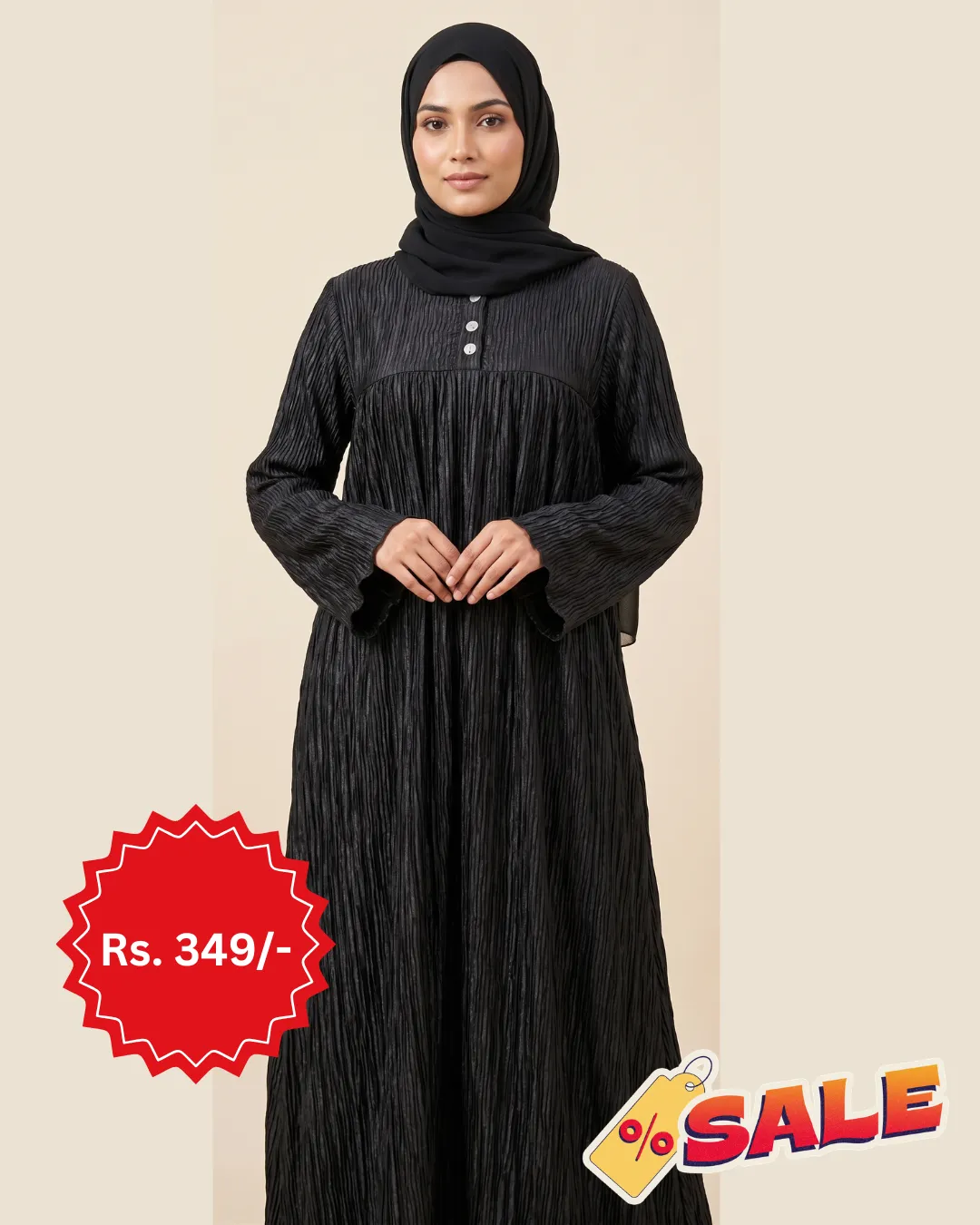
Crinkle fabrics have a deliberately creased texture. They hide wrinkles, pack small and look fresh straight out of a bag, which makes them ideal for travel and busy days.
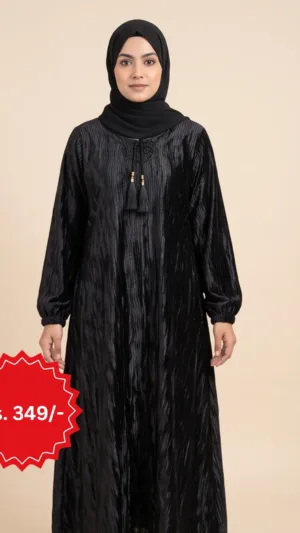
Our black textured tassel abaya and three-button crinkle abaya both use this kind of fabric. Twist them lengthways while damp so the texture sets as they dry.
Light fabrics for Indian summers
For hot and humid months, choose the lightest opaque abaya material you can find. Lighter colours help too.
- Cotton: the most breathable; best for prayer wear and home.
- Georgette: light and flowing; choose a lined style for full opacity.
- Light crinkle: airy and crease-free for long days out.
Our cotton prayer khimar and georgette khimar are good examples of breathable modest fabrics for daily prayers. For more on the coolest fabric, read our cotton abaya guide.
Occasion fabrics: organza, satin and velvet
Weddings and Eid call for fabrics with more presence. These are usually worn for a few hours rather than all day.
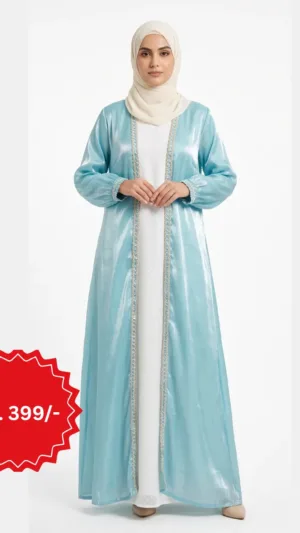
- Organza: crisp with a soft shimmer; often used as an open layer over satin, like our shrug abaya with balloon sleeves.
- Satin linings: smooth against the skin under sheer outer fabrics.
- Velvet: rich and warm for winter weddings in North India.
For full outfit ideas, see our guide to the bridal abaya.
Choosing abaya material by season and occasion
| When | Best abaya material | Avoid |
|---|---|---|
| Summer (Apr–Jun) | Cotton, light crinkle, lined georgette | Velvet, heavy nida |
| Monsoon (Jul–Sep) | Quick-dry crinkle, polyester blends | Cotton that stays damp |
| Winter (Nov–Feb) | Nida, crepe, velvet, layered styles | Unlined chiffon |
| Weddings and Eid | Organza, satin-lined, embroidered nida | Very casual cotton |
| Travel and Umrah | Crinkle, cotton | Dry-clean-only fabrics |
If you can only buy one abaya, choose a medium-weight crinkle or nida in a dark colour. It works across most seasons and occasions.
Regional climate matters too. Coastal cities such as Mumbai and Chennai are humid all year, so quick-drying textured fabrics work best there, while Delhi and Lucknow swing from very hot summers to cold winters and reward a two-fabric wardrobe.
Abaya material and price
Fabric is one of the biggest drivers of price. These bands are typical of Indian online stores in 2026; embroidery and brand add to them.
| Fabric | Typical abaya price in India | Value tip |
|---|---|---|
| Polyester blends and light crinkle | ₹250 – ₹800 | Best value for daily wear |
| Nida | ₹500 – ₹2,500 | Pay for a heavier, opaque grade |
| Georgette | ₹400 – ₹2,000 | Check that a lining is included |
| Crepe | ₹800 – ₹3,000 | Good for office and functions |
| Organza (layered) | ₹500 – ₹4,000 | Look at the lining fabric too |
| Velvet | ₹1,500 – ₹5,000+ | Only worth it for winter events |
A cheaper abaya in a good fabric usually outlasts an expensive one in a poor fabric. When comparing prices, compare the fabric first and the decoration second.
Lining, opacity and layering
Opacity is one of the most important qualities of any abaya material. A fabric that looks solid indoors can become see-through in bright sunlight.
- Chiffon and light georgette almost always need a lining or an inner slip.
- Nida, crepe and crinkle are usually opaque on their own in darker colours.
- Light colours such as white and beige need a slightly heavier fabric or a lining.
- Open-front styles rely on the inner dress, so choose that fabric with care too.
Hold the fabric up to a window or check a daylight photo before you commit. Good shops mention lining clearly in the product details.
The best abaya material for prayer and Umrah
For namaz five times a day, and especially for Umrah, comfort and quick changes matter more than shine. Breathable, washable fabrics are the clear winners.
- Cotton for prayer dresses and khimars that touch the skin.
- Crinkle for abayas that travel well and need no ironing.
- Avoid heavy embellishment and dry-clean-only fabrics on a pilgrimage.
Our guide to the umrah dress for ladies covers clothing, ihram rules and packing in more detail.
Common myths about abaya fabrics
- “Shiny means expensive.” Not always; many premium abayas use matte nida or crepe.
- “Black is always hot.” Black does absorb more heat, but a light crinkle in black can feel cooler than a heavy fabric in white.
- “Polyester never breathes.” Modern textured polyester blends can be surprisingly airy; weave matters as much as fibre.
- “Dry clean only is a sign of quality.” It is usually a sign of a delicate fabric, not necessarily a better one.
Judge every abaya material by feel, opacity and care needs rather than by labels alone.
How to check abaya material quality online
You cannot touch fabric online, so look for these clues before ordering.
- A named fabric (nida, crepe, georgette) rather than “premium material”.
- Close-up photos showing texture and stitching.
- Lining information for chiffon and georgette styles.
- Care instructions: “dry clean only” often signals a delicate fabric.
- Return policy: so you can send it back if the fabric is not as described.
Structured fabrics also change the look. Our guide to the abaya coat shows how crepe and gabardine create a tailored outline.
Drape, movement and body shape
Fabric weight changes how an abaya moves and how it sits on the body. This matters as much as colour or cut when you want a flattering, comfortable fit.
- Heavier fabrics such as nida and crepe fall straight and smooth, which gives a long, elegant line on most figures.
- Light fabrics such as chiffon and georgette float and move, which suits petite frames and flowing cuts.
- Textured fabrics such as crinkle add a little volume, so they look best in simple, relaxed shapes.
- Crisp fabrics such as organza hold their shape, which is why they are used for statement sleeves and open layers.
If you are unsure, choose a medium-weight fabric in a simple A-line cut. It is the safest combination for almost every body shape and occasion.
Caring for different abaya fabrics
- Wash dark abayas inside out in cold water to protect the colour.
- Never wring nida, chiffon or georgette; press water out with a towel.
- Dry in the shade; strong sun fades black and weakens fibres.
- Steam rather than iron crepe and organza.
- Store occasion abayas on wide hangers in breathable covers.
Shop by abaya material at Modesty E Store
These in-stock pieces show the main fabric types. Delivery is a flat ₹45 anywhere in India and free on orders of ₹999 or more, and you can pay online with PhonePe or choose cash on delivery.
Fabrics you can try
- Elegant Black Abaya – crinkle, three-button front, ₹349
- Black Textured Tassel Abaya – crinkle with soft sheen, ₹349
- Shrug Abaya with Balloon Sleeves – organza over satin lining, ₹499
- Georgette Khimar – light georgette, ₹419
- Cotton Prayer Khimar – breathable cotton, ₹249
- Matt Nida Hijab – smooth matte nida, ₹399
Abaya fabric FAQ
Which abaya material is best for summer in India?
Cotton, light crinkle and lined georgette are the coolest choices. Lighter colours also help in direct sun.
What is the best abaya fabric for daily wear?
A medium-weight crinkle or nida is the most practical: comfortable, opaque, easy to wash and good for most seasons.
What is nida fabric?
Nida is a smooth, matte polyester fabric with a soft drape, widely used for Gulf-style abayas because it resists wrinkles and does not shine.
Which burqa fabric does not need ironing?
Crinkle fabrics hide creases by design, so they can be worn straight from a bag.
Is a velvet abaya suitable for India?
Only for winter functions in cooler regions. It is too warm for most of the year.
How do I know if an abaya fabric is see-through?
Look for a named opaque fabric or mention of lining, and check close-up photos taken in daylight.
Choosing your abaya material
The best abaya material is the one that suits your climate, your day and how much care you are willing to give it. Start with a breathable everyday fabric such as crinkle, nida or cotton, then add organza or embroidered pieces for special occasions.
Check fabric names and care instructions before you buy, and your abayas will look good and feel comfortable for years.
Related posts
Winter abaya guide: the warmest fabrics, smart layering under and over your abaya, hijabs and...
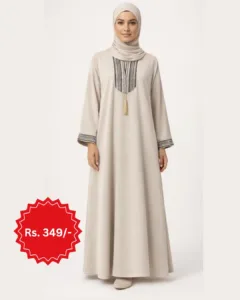
Beige abaya guide: cream, sand and nude shades compared, the best hijab colours, styling for...
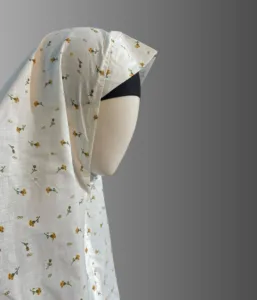
Cotton abaya guide: why cotton keeps you cool, pros and cons, cotton vs crinkle and...
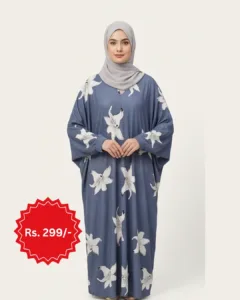
Blue abaya guide: navy, dusty, light and royal blue shades compared, the best hijab pairings,...
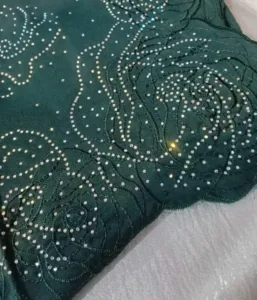
Nida material abaya guide: what nida fabric is, how it compares with crepe and crinkle,...
Add comment