
No products in the cart.
Abaya or Burkha: Differences, Abaya Types and How to Choose
Choosing between an abaya or burkha is not only about clothing; it is about comfort, modesty, culture, occasion, and personal expression. Both garments are associated with modest dressing, but they are not the same in coverage, construction, styling, or everyday use. This guide explains the practical differences, popular abaya types, modern burkha fashion, and how to choose a piece that feels respectful, wearable, and true to your style.
What is the difference between a burkha and an abaya?
The simplest way to understand burkha vs abaya is this: an abaya is usually a loose outer robe worn over clothing, while a burkha is generally a more covering garment that may include face coverage depending on regional style. The abaya is often open or closed in the front and can be styled with a hijab, niqab, or other head covering. A burkha is typically designed as a fuller modest covering, and in some traditions it covers the body from head to toe.
The exact meaning can vary by country, community, and language. In some places, people use the word “burkha” broadly for many modest outer garments, while in others it refers to a specific full-coverage style. That is why the best choice is not based on one universal definition, but on your needs: how much coverage you want, where you plan to wear it, and what feels appropriate in your setting.
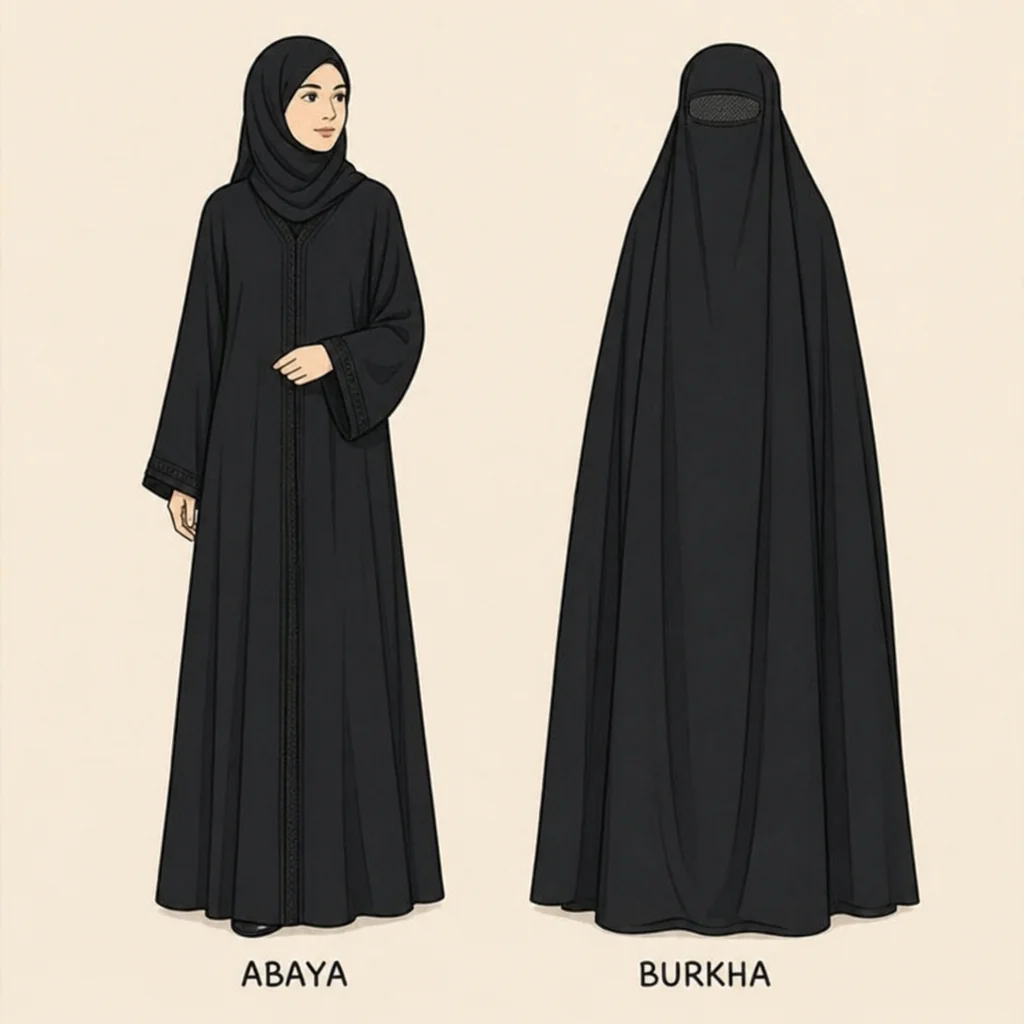
The abaya as a modern modest wardrobe essential
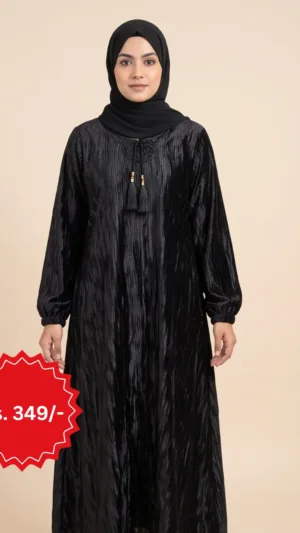
The abaya is one of the most versatile garments in modest fashion. It is typically long, loose, and designed to cover the body while allowing movement. Many women wear it daily because it can be simple, elegant, easy to layer, and suitable for a wide range of environments.
A fashion abaya today can look minimal, luxurious, casual, embroidered, structured, or flowing. Some designs are meant for prayer and everyday errands, while others are created for weddings, Eid gatherings, dinners, and formal events. The beauty of the abaya is that it can remain modest without looking plain.
Common features include:
- Loose silhouette: Offers modest coverage without clinging to the body.
- Full length: Usually reaches the ankles or floor, depending on preference.
- Layer-friendly design: Can be worn over dresses, trousers, co-ord sets, or workwear.
- Varied closures: Open-front, buttoned, zipped, belted, or fully closed.
- Style range: From basic black to embellished, printed, pastel, or tailored designs.
Because abayas are so adaptable, they are often easier to personalize than full-coverage garments. A simple black abaya can feel casual with flats and a soft scarf, or refined with a structured handbag and delicate embroidery.
Popular abaya types and when to wear them
Understanding different abaya types makes it easier to choose a garment that fits your lifestyle. The right type depends on how much structure, movement, coverage, and styling flexibility you want.
Open-front abaya
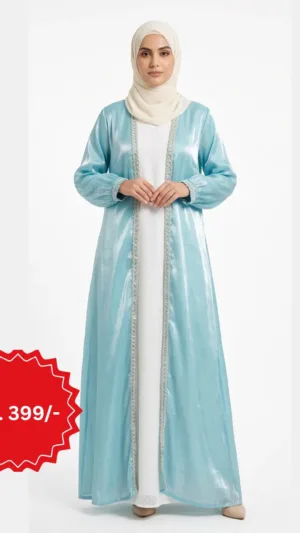
An open-front abaya works like a long outer layer. It is usually worn over a dress, skirt, or modest trousers and top. This style is popular for those who enjoy layering because it lets the outfit underneath become part of the look.
It is a good option for social outings, work settings, travel, and occasions where you want modest coverage with a softer fashion element. If you choose an open-front style, make sure the inner outfit provides the level of coverage you prefer.
Closed abaya
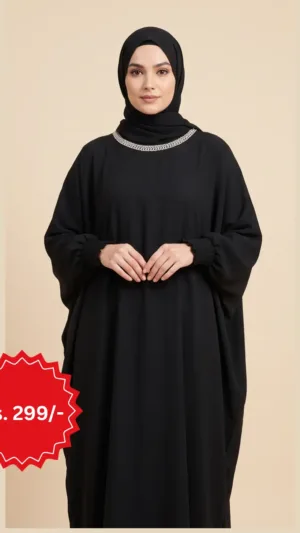
A closed abaya is simple, practical, and easy to wear. It does not require much outfit planning underneath, making it ideal for daily use, prayer, errands, and quick dressing. Many closed abayas have a clean A-line or straight cut that feels comfortable without drawing too much attention.
This type is especially helpful if you prefer one-piece modest dressing. You can still add personality through fabric, sleeve design, scarf color, or subtle detailing.
Kimono-style abaya
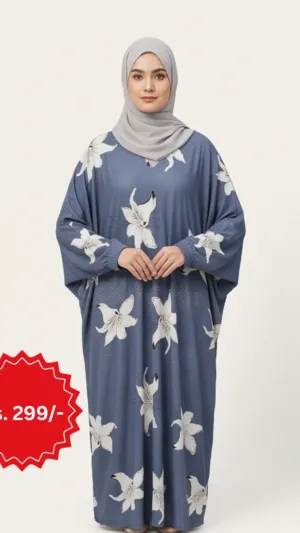
Kimono-style abayas have wide sleeves and a relaxed drape. They often feel elegant and fluid, especially in lightweight fabrics. Some include a matching belt, while others are worn loose for a more traditional modest shape.
This style works well for gatherings, dinners, and semi-formal events. If you want comfort with visual movement, the kimono cut is a strong choice.
Embroidered or embellished abaya
Embroidered, beaded, lace-trimmed, or embellished abayas are designed for occasions. They can be modest yet dressy, making them popular for Eid, weddings, family celebrations, and evening events. The detail may appear on the sleeves, front panel, neckline, hem, or back.
For the most timeless look, choose embellishment that complements the fabric rather than overwhelms it. A little embroidery can make an abaya feel special without reducing its versatility.
Everyday casual abaya
A casual abaya focuses on breathable fabric, easy movement, and low-maintenance styling. It may have pockets, simple sleeves, and a relaxed cut. These abayas are ideal for students, busy mothers, professionals, or anyone who wants modest dressing to feel effortless.
Neutral shades such as black, navy, taupe, olive, grey, and brown tend to be easiest to repeat. However, soft pastels and muted prints can also work beautifully for daytime wear.
Burkha fashion and full-coverage dressing
Burkha fashion is often centered on fuller coverage, privacy, and modesty. While some people imagine the burkha as only one traditional style, there are actually many variations depending on region and personal preference. Some are very simple and functional; others include careful tailoring, fine fabric, pleating, embroidery, or coordinated accessories.
A burkha may be chosen for religious, cultural, family, personal, or practical reasons. For some wearers, it offers confidence and ease because it creates a consistent modest appearance in public. For others, it is reserved for specific settings or communities.
Modern styling does not have to conflict with modest purpose. Many wearers focus on fabric quality, drape, sleeve comfort, breathable layers, and neat finishing. The look may be understated, but the details still matter.
Key considerations for burkha selection include:
- Coverage level: Decide whether you want full body coverage only or face coverage as well.
- Fabric weight: Choose lighter fabrics for warm climates and denser fabrics for cooler weather.
- Visibility and movement: If the garment includes face coverage, comfort and safe visibility are essential.
- Ease of wear: Consider how quickly it can be put on, adjusted, and maintained.
- Local norms: Styles may differ widely, so choose what aligns with your environment and expectations.
Which style suits your needs?
The best choice between abaya or burkha depends on your desired coverage, daily routine, climate, and personal comfort. If you want a modest outer robe that allows more styling variety, an abaya may suit you better. If you prefer fuller coverage in one garment, a burkha may feel more appropriate.
Think of the decision less as “which is better?” and more as “which is better for this situation?” Many wardrobes include both. A person might wear a simple closed abaya for everyday errands, an embellished fashion abaya for gatherings, and a fuller burkha for environments where more coverage is preferred.
Use this quick comparison as a starting point:
| Feature | Abaya | Burkha |
|---|---|---|
| General coverage | Body-covering outer robe | Fuller body coverage, sometimes including face |
| Styling flexibility | High; can be layered and accessorized | Usually more modest and coverage-focused |
| Common use | Daily wear, work, events, prayer | Public modest dressing, cultural or religious settings |
| Fit and structure | Open, closed, tailored, flowing, belted | Often loose and enveloping |
| Fashion variation | Wide range of cuts, colors, embroidery, fabrics | Varies by region, with focus on coverage and comfort |
Fabric, fit, and comfort matter more than labels
Whether you choose an abaya or burkha, comfort should guide the purchase. A beautiful garment that is too heavy, narrow, sheer, or difficult to manage will not become a reliable part of your wardrobe. Good modest wear should support your day, not make every movement feel complicated.
For warm weather, breathable and lightweight materials are usually more comfortable. For formal wear, fabrics with a graceful fall can create a polished look. For daily wear, durability and easy care become more important than dramatic design.
Fit also matters. Modest garments are meant to be loose, but they should not constantly slip, drag, or restrict your steps. Sleeves should allow movement, shoulder seams should sit comfortably, and the length should match your height and footwear.
A practical buying checklist
Before buying, ask yourself:
- Does the garment provide the coverage I want without needing constant adjustment?
- Is the fabric suitable for the weather where I live?
- Can I walk, sit, drive, work, or pray comfortably in it?
- Is the length safe for stairs, outdoor walking, and daily movement?
- Will it pair well with scarves, shoes, and clothing I already own?
- Is the design appropriate for the occasions where I plan to wear it?
- Can I wash or care for it realistically?
This checklist helps you avoid choosing only by appearance. The most useful modest garment is one you can wear confidently and repeatedly.
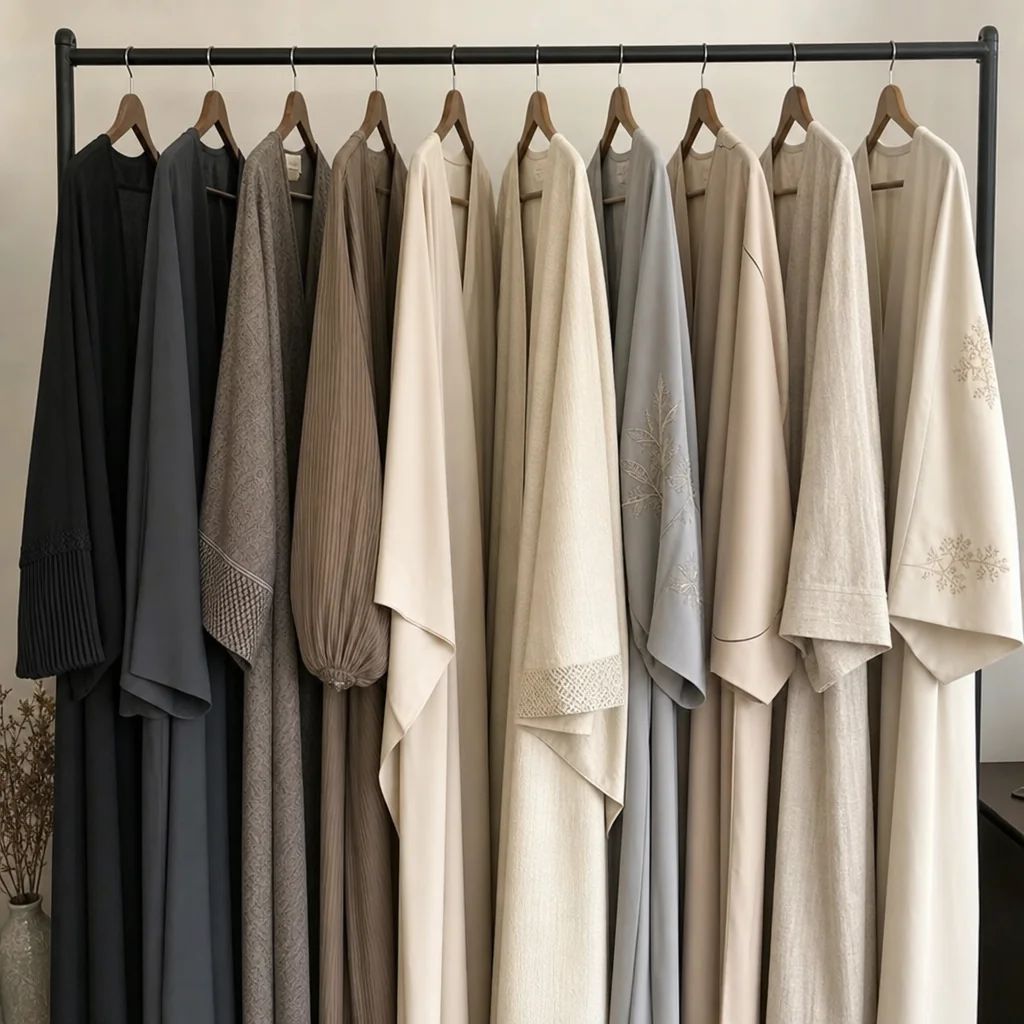
Styling a fashion abaya with elegance
A fashion abaya can be styled in many ways while keeping the overall look modest. Start with balance: if the abaya has embroidery or shine, keep accessories simple. If the abaya is plain, you can add interest through scarf texture, a refined bag, or elegant shoes.
Color is another useful styling tool. Black is classic and versatile, but muted shades can soften the look. Earth tones feel warm and understated, while cream, dusty pink, sage, and grey can work beautifully for daytime gatherings.
For a polished outfit, consider:
- A coordinated hijab: Choose a shade that complements rather than exactly matches.
- Simple footwear: Flats, loafers, sandals, or low heels depending on the occasion.
- Minimal accessories: Small details often look more elegant than heavy styling.
- A neat inner layer: Especially important with open-front abayas.
- Seasonal fabrics: Lighter textures for summer, richer layers for cooler months.
The goal is not to make the abaya look less modest, but to make modest dressing feel intentional.
Respecting culture, faith, and personal choice
Clothing such as the abaya and burkha carries meaning for many people. For some, it is deeply connected to faith. For others, it reflects culture, family tradition, identity, comfort, or personal preference. Because meanings differ, it is important to avoid assuming that every wearer has the same reason.
If you are new to these garments, approach them with respect. Learn the expectations of the place or event where you plan to wear them. When in doubt, choose simplicity, modest coverage, and thoughtful styling over trend-focused choices.
Respect also means recognizing personal agency. Some women prefer the abaya because it gives them flexibility, while others prefer the burkha because it provides fuller coverage and consistency. Both choices can be valid when they reflect the wearer’s values and comfort.
Building a modest wardrobe around both options
A balanced modest wardrobe does not need to be large. It needs to be practical. Start with a few reliable pieces that cover your most common situations: daily wear, prayer, work or study, family gatherings, and formal occasions.
A useful starter wardrobe might include:
- One simple closed abaya for everyday use.
- One open-front abaya for layering and social settings.
- One dressier fashion abaya for special occasions.
- One fuller-coverage burkha if your lifestyle or preference calls for it.
- Several comfortable scarves or accessories that coordinate easily.
From there, you can add based on real use rather than impulse. If you repeatedly reach for breathable casual styles, invest in better everyday fabrics. If most of your needs are formal, focus on elegant cuts and occasion-ready details.
Making the choice with confidence
Choosing between an abaya or burkha becomes easier when you focus on purpose. The abaya offers modest coverage with strong styling flexibility, while the burkha usually emphasizes fuller coverage and privacy. Neither garment is simply a trend; both can be meaningful, practical, and beautiful when chosen thoughtfully.
Before buying, consider your coverage needs, climate, daily routine, and the settings where you will wear the garment. Explore different abaya types, understand the role of burkha fashion, and choose pieces that help you move through the day with ease and confidence. The right garment is the one that supports your modesty, respects your context, and feels comfortable enough to become part of your real life.
Related posts
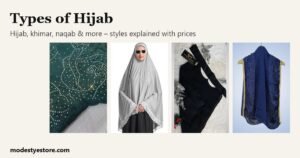
There are around ten common types of hijab: the hijab scarf (shayla), Al-Amira, khimar, niqab...
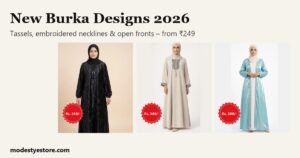
The new burka designs for 2026 keep simple, full-length cuts and add soft details: tassel...
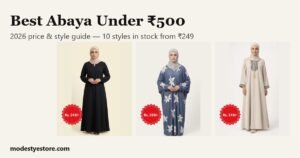
The best abaya under 500 is one in a breathable fabric with a relaxed, full-length...
Add comment