
No products in the cart.
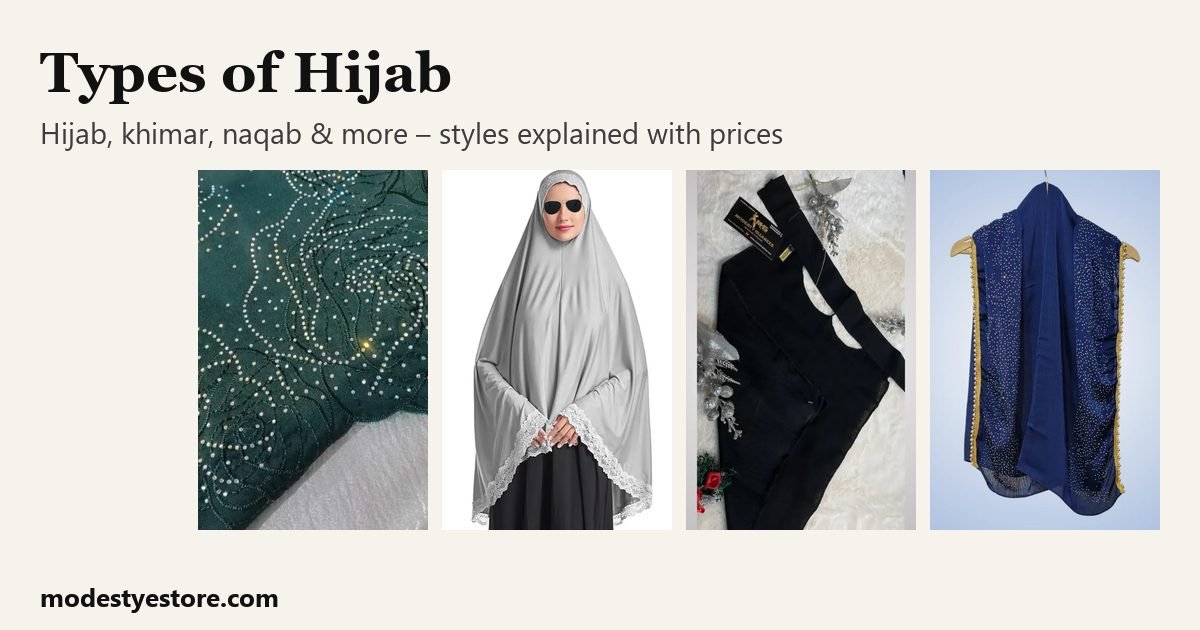
Types of Hijab: 10 Styles Explained (With Fabrics & Prices)
Quick answer: There are around ten common types of hijab and Islamic head coverings: the hijab scarf (shayla), Al-Amira, khimar, niqab (naqab), burqa, chador, jilbab, turban-style hijab, ready to wear hijab and the hijab under cap. In India, the most worn are the hijab scarf, the khimar, the naqab and the abaya worn with a naqab, often called a burqa.
If you are new to modest fashion, the different types of hijab can be confusing – the same word means different things in different countries, and shops use the names loosely. This guide explains each style in plain words: what it covers, whether you need pins, and when to wear it. Where we sell a style at Modesty EStore, we have linked it with its current price so you can see real examples.
What are the main types of hijab?
The main types of hijab differ in how much they cover and how you put them on. A hijab scarf covers the hair and neck and is wrapped and pinned. A khimar is a one-piece cape that also covers the chest. A niqab adds a face veil, and a burqa, jilbab or chador covers the whole body.
| Type | What it covers | Pins needed? | Where to shop |
|---|---|---|---|
| Hijab scarf / shayla | Hair and neck | Yes, 2–4 | Hijab collection |
| Al-Amira | Hair and neck (two pieces) | No | – |
| Khimar | Hair, neck, shoulders and chest | No | Khimar from ₹249 |
| Niqab / naqab | Face below the eyes (worn with a hijab) | Ties at the back | Naqab from ₹99 |
| Burqa | Whole body and face | No | Abaya + naqab |
| Chador | Whole body, open at the front | Held by hand | – |
| Jilbab | Whole body, loose outer garment | No | Jilbab from ₹299 |
| Turban-style hijab | Hair (neck often uncovered) | Sometimes | – |
| Ready to wear hijab | Hair, neck and often chest | No | Ready to wear hijab |
| Hijab under cap | Hair, under another hijab | No | Hijab caps from ₹40 |
Types of hijab explained
1. Hijab scarf (shayla)
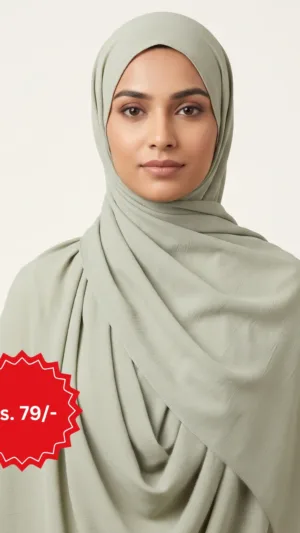
The everyday hijab: a rectangular or square scarf wrapped around the head and pinned under the chin or at the side. It is the most versatile style – you can drape it loosely, wrap it close or layer it. Our black hijabs in matt Nida (₹399) and real chiffon (₹299) are popular everyday choices.
2. Al-Amira
A two-piece hijab: a close-fitting cap plus a tube-shaped scarf that you pull over it. It is quick to wear and popular for school and sport, though it offers fewer styling options than a scarf.
3. Khimar
A cape-like hijab that slips over the head and falls over the shoulders and chest, often to the waist. It needs no pins, which is why many women wear it for namaz and travel. See our Cotton Prayer Khimar (₹249) and Long Khimar Hijab (₹299).
4. Niqab (naqab)
A face veil that covers the face below the eyes and is worn together with a hijab or khimar. Short nose-piece naqabs tie at the back of the head; longer styles fall to the chest. Our naqabs start at ₹99 for a single-sheet nose piece.
5. Burqa (burka)
Internationally, a burqa is a full-body covering that includes the face, sometimes with a mesh screen over the eyes. In India, “burqa” or “burkha” usually means an abaya worn with a naqab and hijab. See our guide to new burka designs for 2026.
6. Chador
A large, full-length cloak that covers the head and body and is open at the front, held closed by hand. It is most common in Iran and rarely worn day-to-day in India.
7. Jilbab
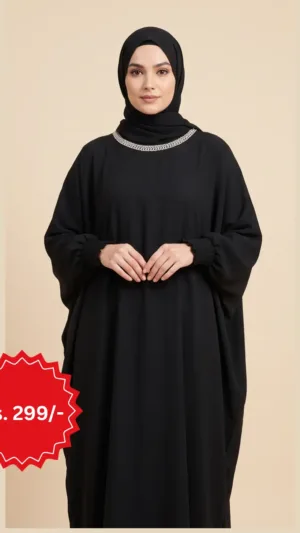
A long, loose outer garment that covers the whole body. In India, jilbabs are often sold as prayer dresses with a matching hijab – like our free-size Prayer Dress with Hijab (₹699).
8. Turban-style hijab
A scarf wrapped and tied like a turban around the head. It is a fashion-led style that usually leaves the neck and ears showing, so many women pair it with a high-neck outfit.
9. Ready to wear (instant) hijab
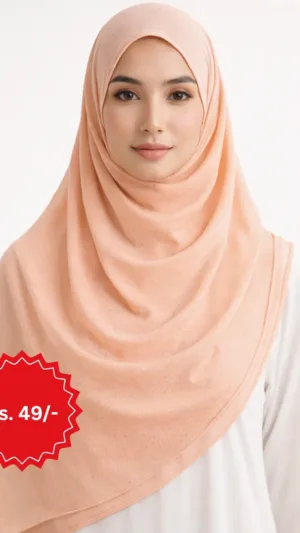
A pre-shaped hijab you slip on in seconds – no wrapping, no pins. Khimars are the most common example. Compare styles on our ready to wear hijab page.
10. Hijab under cap
Not a hijab on its own but worn beneath one. It keeps hair covered and stops the scarf slipping. Our hijab caps range from a ₹40 under cap to a ₹160 ninja inner cap.
What are the different hijab fabrics?
The fabric changes how a hijab drapes, how warm it feels and how easy it is to pin. Cotton suits daily wear and hot weather, chiffon is light and floaty, satin adds shine for functions, georgette drapes softly, and Nida is opaque and holds its shape for office and college.
| Fabric | Feel | Best for | Example |
|---|---|---|---|
| Cotton | Soft, breathable, matte | Daily wear, namaz, summer | Cotton Prayer Khimar – ₹249 |
| Chiffon | Light, sheer, floaty | Summer, layered styles | Real Kashka Chiffon Hijab – ₹299 |
| Satin | Smooth with a sheen | Weddings and Eid | Satin Bridal Hijab – ₹299 |
| Georgette | Light, slightly textured | Flowing drapes, khimars | Georgette Khimar – ₹419 |
| Nida | Opaque, matte, holds shape | Office and college | Premium Matt Nida Hijab – ₹399 |
| Jersey | Stretchy, grips well | Sport, under caps | Tie-back jersey cap – ₹99 |
| Pashmina | Warm, soft | Winter | – |
Which type of hijab should you choose?
Choose by where you will wear it most. For college and work, a Nida or cotton hijab scarf is easy to style. For namaz and travel, a khimar or ready to wear hijab is quickest. For weddings, pick a satin or embellished hijab. If you are new to hijab, start with a khimar – it needs no pins.
- Daily wear and college: cotton or Nida hijab scarf with a hijab cap underneath.
- Namaz: a khimar or prayer dress.
- Weddings and Eid: our Wedding Hijab Scarf (₹299) or other party wear hijabs.
- Beginners: a ready to wear hijab – no pins, no wrapping.
Which accessories do you need with a hijab?
Most hijab styles need just three accessories: an under cap to stop slipping, a few pins to hold the folds, and an optional brooch for occasions. Magnetic pins are kindest to delicate fabrics such as chiffon and satin because they do not pierce the cloth.
- Hijab pins – loop, long and magnetic pins from ₹60.
- Hijab caps – from ₹40.
- Hijab brooches – from ₹200.
- Arm sleeves – ₹100, for full arm coverage.
Frequently asked questions about types of hijab
How many types of hijab are there?
There are around ten common types: the hijab scarf (shayla), Al-Amira, khimar, niqab, burqa, chador, jilbab, turban-style hijab, ready to wear hijab and the hijab under cap. Names vary by country.
What is the difference between a hijab, niqab and burqa?
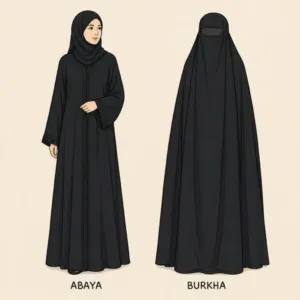
A hijab covers the hair and neck. A niqab is a face veil worn with a hijab that leaves the eyes visible. A burqa covers the whole body and face; in India the word usually means an abaya worn with a naqab.
Which type of hijab is easiest for beginners?
A khimar or other ready to wear hijab is easiest – it slips over the head with no wrapping or pins. Wear a hijab under cap underneath to keep it in place.
What is the best hijab fabric for summer?
Cotton and chiffon are the coolest choices. Cotton is breathable and matte, while chiffon is light and airy – pair chiffon with an under cap because it is sheer.
What is an Al-Amira hijab?
An Al-Amira is a two-piece hijab made of a close-fitting cap and a tube-shaped scarf pulled over it. It needs no pins and is popular for school and sport.
Ready to find your style? Browse the full hijab collection or start with a khimar.

Related posts
Choosing between an abaya or burkha is not only about clothing; it is about comfort,...
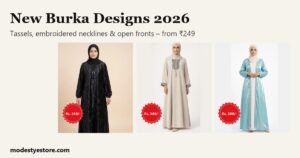
The new burka designs for 2026 keep simple, full-length cuts and add soft details: tassel...
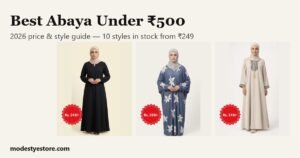
The best abaya under 500 is one in a breathable fabric with a relaxed, full-length...
Add comment